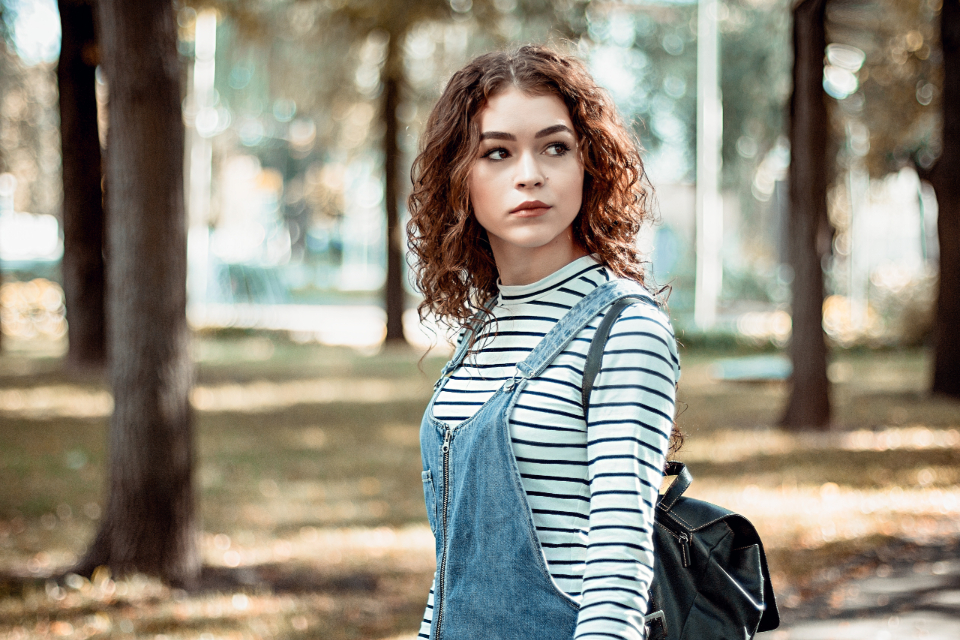
Owning the copyright in a photo doesn’t give you the right to use someone’s face to sell something. That’s what a model release is for.
This guide is general information for creators and businesses in the U.S., not legal advice. Copyright, licensing and drone rules depend on the facts and change over time; check the Copyright Office, the FAA or a lawyer for your situation.
Quick notes
- Using a recognizable person in advertising or marketing generally requires their signed permission, called a model release.
- News, commentary and educational uses usually don’t need releases.
- A parent or legal guardian must sign for anyone under 18.
- Get releases from employees too, since they may leave and change their minds.
Two different rights can be involved in a photo of a person. The photographer owns the copyright in the image. The person in it has rights over how their name and likeness are used commercially, called the right of publicity, which comes from state law and varies from state to state.
This is general information, not legal advice; for big campaigns, have a lawyer review your release.
When you need a model release
| Use | Release usually needed? |
|---|---|
| Ads, product pages, brochures, social media marketing | Yes |
| Stock photos sold for commercial licensing | Yes; agencies require one |
| News reporting and commentary | Usually not |
| Educational or editorial articles | Usually not, as long as the image isn’t used to sell something |
| Artistic exhibition and personal use | Usually not |
What a good release covers
- The person’s name, signature and date, plus contact details.
- What’s being released: the images or the shoot, described clearly.
- How the images can be used, and for how long.
- Whether the person is paid, and how much.
- For anyone under 18, the signature of a parent or legal guardian.
Studio tip: Ask staff to sign a release before they appear in marketing photos, even if they’re happy to help. Employment ends, and a signed release saves you from reshooting your website when it does.
Property, art and trademarks
Releases aren’t only for people:
- Private property, especially interiors of homes and businesses used in ads, may need the owner’s permission.
- Artwork, murals and sculptures in your shot are copyrighted works of their own.
- Logos and trademarks in commercial images can suggest an endorsement or partnership. Remove them, keep them out of frame, or get permission.
Keep the paperwork
Store releases with the original image files and note in your file names or catalog which images are covered. The same habit makes backing up your work more useful, since a photo without its release can’t safely be used commercially. For images you license from others, check whether they’re released for commercial use; see image licenses explained.
FAQs
Does a release need to be on paper?
No. Electronic signatures through release apps or e-signature services are common and generally valid. What matters is a clear, signed record of what the person agreed to.
What if a person is in the background of a photo?
If they’re truly incidental and not recognizable, a release usually isn’t needed. If they’re recognizable and the image is used to promote something, it’s safer to get a release or remove them.
Can someone revoke a release?
It depends on the release’s terms and state law. A well-drafted release says whether consent can be withdrawn and what happens to images already published.